Home Sauna Maintenance Tips UK — How to Keep Your Sauna in Top Condition
A home sauna is an investment in your wellbeing, but like any piece of home equipment, it needs proper maintenance to function safely and last for years. Whether you've recently installed a traditional wood-burning sauna or an electric cabin, understanding the basics of upkeep will save you money on repairs and keep your sauna performing at its best.
Why Sauna Maintenance Matters
Many sauna owners underestimate how much regular maintenance affects lifespan and performance. The combination of high heat, moisture, and temperature fluctuations creates conditions that degrade wood, corrode metal components, and stress electrical systems if left unchecked. In the UK climate, where humidity levels are already high, saunas face additional pressure from condensation and moisture retention. Neglecting maintenance doesn't just shorten sauna life—it can also compromise safety and reduce the effectiveness of your heating system.
Sealing and Protecting the Wood
The most critical ongoing maintenance task is wood protection. Sauna wood—typically spruce, aspen, or hemlock—is exposed to extreme heat and moisture simultaneously, which causes it to expand, contract, and eventually crack or splinter.
Inspect your wood surfaces every three to four months for signs of wear. Look for discolouration, soft spots, or visible cracks. Minor surface cracks are normal and don't affect performance, but deep fissures or darkening might indicate moisture penetration.
Apply a sauna-grade wood sealant or finish every 12 to 18 months, depending on usage frequency. Standard household varnishes and paint are unsuitable—they can release harmful fumes under extreme heat. Use only products specifically designed for sauna interiors. Cedar and softwood benches can be lightly sanded before resealing to remove surface damage, but avoid aggressive sanding, which thins the protective layer faster than it helps.
For exterior wood cabins, check seals around door frames and window edges where water ingress is most likely. Weather-exposed wood deteriorates faster and may need exterior-grade wood stain or oil annually, particularly in wet UK winters.
Replacing Heater Stones
Sauna stones—whether in a traditional stove or electric heater—gradually accumulate mineral deposits and lose their ability to retain and distribute heat efficiently. Over time, they also crack and crumble from repeated heating and cooling cycles.
Check your stones annually by visual inspection. Look for excessive cracking, discoloration, or large gaps where stones have shifted. Replacement intervals typically range from two to four years, depending on sauna type and usage.
To replace stones safely:
- Let the heater cool completely before attempting removal.
- Most electric heaters have accessible stone baskets you can lift out. Wear gloves—stones have rough edges.
- Remove old stones carefully and inspect the heating element underneath for mineral buildup. A light brush with a soft cloth helps, but avoid harsh scrubbing near electrical components.
- Rinse new sauna stones briefly under water (specialized sauna stones, not regular landscaping rocks) and arrange them snugly in the basket.
- Run a test cycle without water before resuming normal use to ensure even heating.
Quality stones make a real difference in performance. Poor-grade replacements won't hold heat as well and may crack sooner.
Cleaning Protocols for Hygiene
Regular cleaning prevents bacterial growth, mould, and odour accumulation in the moist sauna environment.
After each use, wipe down benches and walls with a clean, dry towel to remove surface moisture. Open doors and leave the sauna ventilated for 30 minutes post-session to allow moisture to escape naturally.
Weekly cleaning involves mild soap, warm water, and a soft cloth or mop. Avoid bleach or harsh chemicals—they can damage wood and leave unpleasant residues. Focus on benches, floor, and any surfaces where sweat accumulates. Dry everything thoroughly before closing up.
Monthly, check corners and gaps where moisture tends to linger. If you notice any visible mould spots, address them immediately with a dilute vinegar solution (equal parts white vinegar and water) applied to affected areas, then dried completely. Mould in saunas is relatively rare due to heat, but poor ventilation can allow it to develop.
Never pressure-wash interior wood, and avoid steam cleaners—excessive water introduction compromises the sauna's structure and wood integrity.
Checking and Maintaining Ventilation
Proper airflow is essential for safety and comfort. A sauna without adequate ventilation traps moisture, promotes wood rot, and can allow carbon monoxide to build up (particularly in traditional wood-burning saunas).
Inspect ventilation openings monthly to ensure they're clear of debris, dust, or blocked insulation. Most saunas have intake vents (often near floor level) and exhaust vents (near the ceiling or roof). Both must be unobstructed.
If your sauna has a mechanical ventilation fan, test it monthly by feeling for airflow at the exhaust vent. A weak or silent fan may indicate a blockage or a failing motor. Replace fans according to manufacturer guidance—typically every three to five years of regular use.
For roof-mounted saunas, check that the exhaust pipe isn't blocked by bird nests, leaves, or snow in winter. Clear obstructions carefully from the outside.
Essential Accessories and Tools
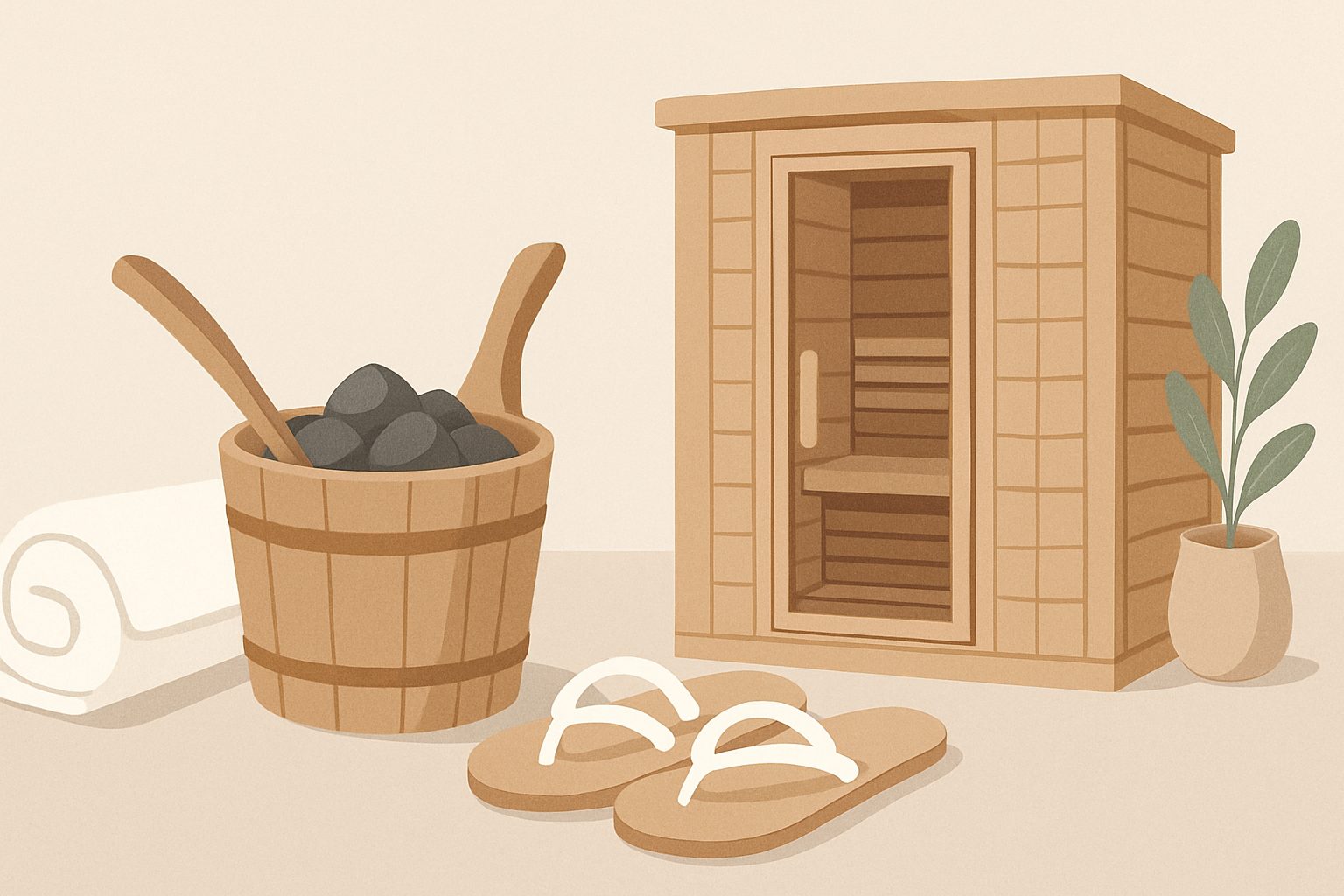
Having the right tools on hand simplifies maintenance. A quality sauna thermometer helps you monitor consistent heating performance; if temperatures drop suddenly, it signals a heater issue. A long-handled ladle and wooden bucket are both functional and help protect wood surfaces by allowing water to be poured more precisely. A soft-bristled brush designed for sauna use is invaluable for gentle cleaning without damaging wood grain.
Final Thoughts
Home sauna maintenance isn't complicated, but consistency matters. A simple schedule—checking wood quarterly, replacing stones every few years, cleaning weekly, and inspecting ventilation monthly—will protect your investment and ensure your sauna remains safe and enjoyable for decades. The time you invest now prevents expensive repairs and keeps your sauna performing exactly as intended.
More options
- Infrared Sauna Cabin (1–2 Person) (Amazon UK)
- Far Infrared Sauna Blanket (Amazon UK)
- Electric Sauna Heater (Harvia / Huum) (Amazon UK)
- Home Sauna Kit / Cabin Flat-Pack (Amazon UK)
- Sauna Accessories Bundle (Ladle, Bucket, Thermometer) (Amazon UK)